
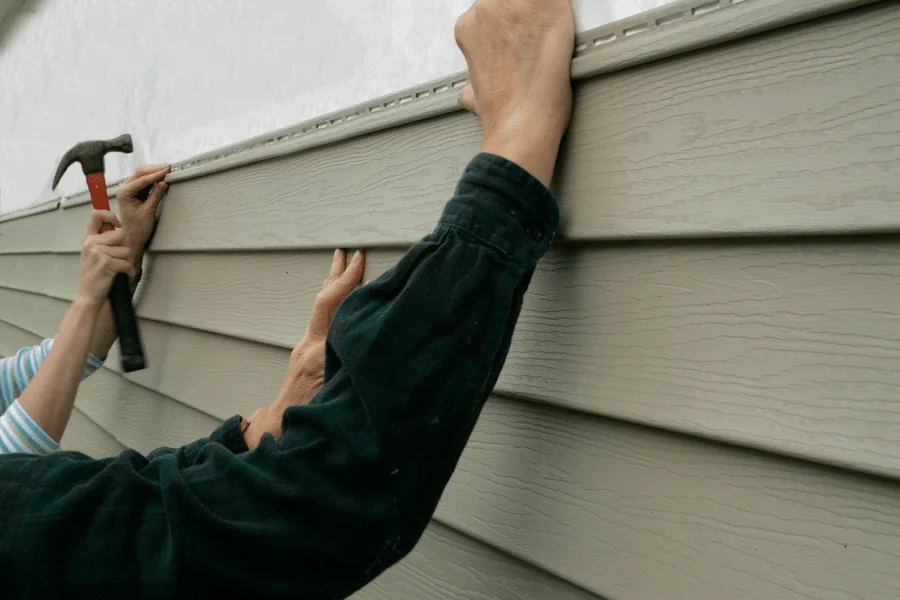
Vinyl siding is not popular in vain, it is durable, it does not require much maintenance, and it also makes your house look clean and modern. The hardest siding may be spoilt, however. The cause can be a storm, a stray object or with mere wear and tear but a hole in the siding can cause larger problems unless addressed. That is why, it is a necessary skill of every homeowner to know how to repair a hole in a vinyl siding.
The positive thing is, you do not necessarily have to hire a professional. You can fix small to medium holes yourself with the correct tools and a little patience and have your siding look virtually new again. Here, you will be taught how, step by step, and tips to be applied, and what you should not do as you work on repairing the vinyl siding.
Knowledge of Type and Size of Damage
It is necessary to evaluate the damage before plunging into the process of repair. Not every hole is identical and the process that you apply varies depending on the size and depth of the damage.
Holes that are small such as those left by nails or screws are normally simple to repair using caulk or patch kits. The holes that are medium sized can be repaired with a patch of a vinyl patch, and the bigger holes can imply replacing a whole panel of siding.
In addition, investigate the area around. In some cases, the hole can be seen only as a part of a larger problem, which may be cracks or loose boards. Things like repairing the hole and failing to fix the damage in the area may result in recurring issues.
There will be a little more time in checking the siding and this will assist you in selecting the right repair procedure and save time in future.
Supplies and Equipment You Will Require
In order to repair the vinyl siding, it is easy to do it with the help of appropriate instruments. Luckily, the majority of these products are not expensive and readily available.
A vinyl siding patch kit or replacement panel, exterior grade caulk, a utility knife, a zip tool (siding removal tool), a measuring tape, and a hammer and nails may be required, as well.
Color matched caulk or vinyl repair kits are sufficient in smaller repair cases. In the case of bigger fixes, you would require an equivalent siding piece, which can be located in hardware stores or by the original installer where possible.
Safety is not an exception. The gloves will keep your hands off the sharp edges, and a stable ladder will ensure that you are not hurt when working on the higher parts.
Vinyl Siding: How To Repair Small Holes
The holes which are the easiest to repair are the small ones and they can take less than an hour. They are usually brought about by screws, nails or small hits.
Begin by washing the surrounding of the hole. To ensure that adhesion takes place, dirt and debris may cause the adhesive to fail to stick and thus it is advisable to wipe it with a damp cloth and allow it to dry.
Then use a superior quality exterior caulk which corresponds to your siding. Put in the hole carefully, but do not overdo. Clean it with a putty knife or your finger.
When it is dry, the repair ought to merge quite well particularly at a distance. The process is fast, efficient, and suitable in cases of minor damages.
How To Mend Medium Sized Holes with a Patch
In case the hole is very large and cannot be filled by a simple caulk, the solution is a patch. Vinyl patch kits are made with the express purpose of that and easy to operate.
Start with a piece of similar vinyl that is a bit bigger than the hole. Where you have leftovers of siding, you can frequently use them. Cut the ends until it fits over the damaged part.
Use a heavy adhesive or caulk on the hole, and use a patch to press it firmly. Wait a couple of minutes so that it has stuck.
Other kits include color-matching compounds to assist in blending the patch with the rest of the siding. When the repair is completed, it should be barely noticeable unless one scrutinizes it.
Installation of a Damaged Vinyl Siding Panel
When the hole is big or the siding is damaged to the extent that it cannot be repaired, then the solution would be to replace the panel. This is a process that is more laborious but provides the most professional outcome.
Begin by opening with a zip tool the siding panel above the broken one. Pull it carefully off to reveal the nails that are holding the broken panel.
Peel off the nails, and slide out the mutilated panel. Insert your replacement and nail it on. Do not nail so tightly, because vinyl should be able to expand and contract.
When the upper panel is secured then lock it back into place with the zip tool. This step will give the appearance of your siding back to its smooth look and the weather protection is in place.
The most common errors to be made during repair
Even minor repairs will go wrong when you are not keen. A mistake that most people do is to apply the incorrect type of caulk. Caulk used on the inside will not be able to withstand the elements outside, therefore always use exterior-grade caulk.
The other error is the disregard of color matching. A distinctive repair may have an impact on the appearance of your home. Give time to locate a perfect match or apply paint that is used in vinyl siding.
The over tightening of nails in replacement of panels is also a common problem. Vinyl siding should be able to move with the temperature variation and therefore the nails should not be tight.
Finally, the process may be rushed, which will result in poor outcomes. Give it time to dry, and repeat yourself, so there is a permanent fix.
Final Thought
Vinyl siding may appear to be a difficult job to fix, but once you know how to do it, it can be a simple DIY project. It can be a small hole or some bigger damaged area, but there is always some pragmatic way that can fix the appearance and the functionality of your siding.
When you learn to seal up a hole in vinyl siding, you will not only save money but also keep the moisture out, pests out and additional structural damage out of your home. It takes the proper attention and a little treatment to have your siding held up to look great and work many years to come.
FAQs
Can I fix vinyl siding without replacing the whole panel?
Yes, small and medium holes can be repaired using caulk or patch kits without replacing the entire panel.
What is the best material for fixing small holes?
Exterior-grade caulk that matches the siding color is the best option for small holes.
How do I match the color of my vinyl siding?
You can bring a sample to a hardware store or use manufacturer codes if available to find a close match.
Is it necessary to use a zip tool for siding repair?
A zip tool is very helpful for removing and reinstalling panels, especially for larger repairs.
How long does a vinyl siding repair last?
A properly done repair can last for many years, depending on the materials used and weather conditions.
Can I paint over repaired vinyl siding?
Yes, you can use paint specifically designed for vinyl siding to help blend repairs.
When should I call a professional?
If the damage is extensive or affects multiple panels, it’s best to consult a professional for proper repair.
