
Introduction
In the online world, when you see the term Jp in your conversations and chats, in messaging applications or on social media, you may be wondering, what does Jp mean in text? In the modern digital communication world, there are many abbreviations, acronyms and shortened phrases that are used to communicate more quickly and casually. These abbreviations may speed up conversations, but may also confuse someone who doesn’t know the meaning of some of them.
Over the years, text messaging culture has undergone tremendous change. Social media, online gaming communities, chat apps, and digital forums all play a role in the evolution of new slang terms and abbreviations. Some terms are hugely popular and can be used on multiple platforms, others are restricted to a certain online community or set of friends.
One form of internet shorthand is the abbreviation “JP” which can be used in a variety of contexts with a variety of meanings. It’s crucial to understand context when reading online slang as the same acronym may mean several different things in different contexts.
Modern digital communication can sometimes prioritize the quickness, convenience and casual nature of communication. Thus, you may see many abbreviated words or phrases in your texts or online conversations. By familiarizing yourself with some of the most popular Internet slang words, you will be able to partake in today’s Internet conversations and avoid misunderstandings.
Knowing abbreviations such as JP can also help with communication via social media, gaming and messaging websites where informal language is continuing to expand at a rapid pace.
The most common meaning of JP in texting is “no worries
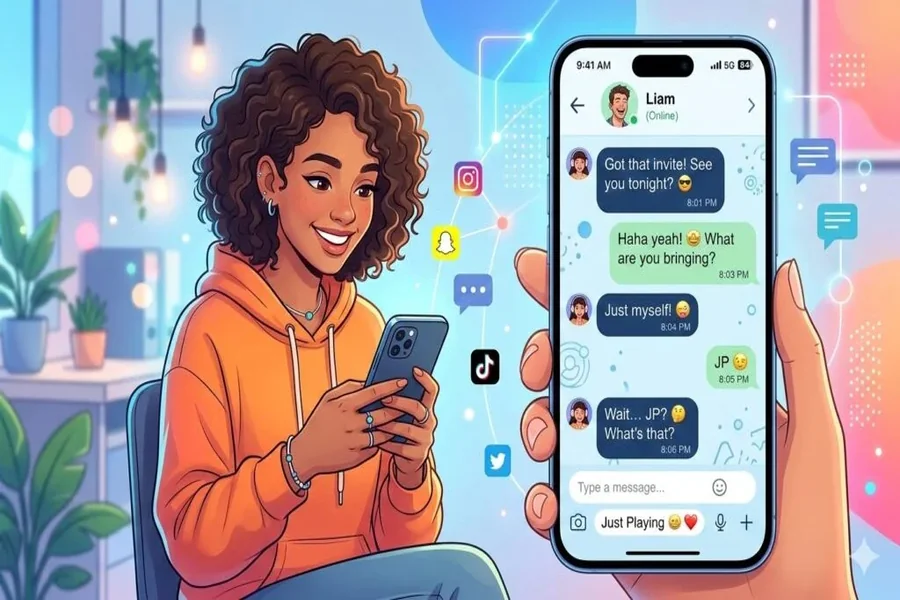
“JP” is often used as an abbreviation for “just playing” in online dialogue. This abbreviation is used to make things clear when talking about something that is either humorous, teasing, or not said seriously.
For instance, someone may say something witty or funny, but then append an “JP” to indicate that they were being playful, not trying to offend or upset.
Such slang is particularly prevalent in casual discussions among friends, during online games and on social media platforms. Short words are frequently used by internet users, as they are easier to communicate by short word when the conversation is quick.
“JP” is useful when sending texts, as there is no tone of voice or facial expressions. Abbreviations such as this make it easier to understand the emotional meaning of a written message, as it can sound much harder than it actually is.
In online communication, clarification shortcuts are frequently used, especially when employing sarcasm and playfully teasing others.
But context also is important. “JP” can often mean something different in different contexts, particularly when used in professional, regional, or community-specific contexts.
Language is dynamic and can change over time depending on the trends and culture of the various online platforms.
One of the most crucial skills in the current digital communication is to understand the tone of the abbreviations used.
The reason why Internet Slang has become so popular
Internet slang is a very popular form of slang as much of communication is done digitally and is quick and convenient. Individuals are looking to share ideas rapidly without having to type lengthy sentences repeatedly.
The culture of text messaging particularly promoted the use of shorter messages because of the restrictions on character limit and ease of typing on mobile devices. Abbreviations were adopted over the years as common forms of online conversation.
Social media platforms also have a strong impact on the language trends. Words and expressions from other communities spread like wildfire in viral phrases and memes, as well as in slang terms.
Gaming culture has also played a significant role in the evolution of the web slang. The online nature of fast-paced games can make communication between players fast-paced, leading to the use of abbreviations and short words.
Internet slang can also foster a feeling of community and belonging. People feel a sense of belonging in some groups or digital environments when communicating in familiar online language.
Social media and messaging is often used by younger generations for extended amounts of time, leading them to use new slang more readily.
Another driving force behind slang’s constant evolution is creativity. It is fun and a popular pastime of online communities to come up with new slang, acronyms, and funny jargon.
While many terms fade away, others endure and eventually become part of everyday speech.
As the Internet becomes a part of the day-to-day life of the world, digital slang is becoming an integral part of the language.
How Context affects the meaning of JP
A golden rule to remember about abbreviations used online is that they may have different meanings according to what is being discussed. JP’ is not necessarily the same in all cases.
When using it in casual texting, it can be used after a joke or a sarcastic remark, meaning “just playing.”
In a business setting or professional communication, though, JP could stand for initials, companies, locations or completely different words.
There are some abbreviations that appear in the gaming community that don’t appear in social media. Groups may develop special meanings for particular games or platforms that are online.
The various regional variations in language can also affect interpretation. Certain abbreviations are more widely used in some countries/communities than others.
There are also personal meanings that can be formed through personal conversations. Sometimes friends use their own “shorthand” which is not understood by outsiders.
That’s why you should be aware of the context of the surrounding text before making an educated guess about what an abbreviation means.
Sometimes misunderstandings occur due to the misinterpretation of Internet slang. When there is a possibility of confusion in conversation, it’s important to clarify meanings politely.
The ability to understand language in the context in which it is used is one of the most valuable skills for effective understanding of online language, and as digital communication develops, the need for this skill will continue to grow.
The Importance of Social Media in Today’s Communication
The world of social media has revolutionized communication. The platforms used for short posts, quick reply and rapid interaction favour a simplified language and internet slang.
Rapid communication apps tend to be speedy over formal grammar or spelling. Abbreviations such as “JP.” are naturally encouraged in this type of environment.
The world’s social networks are enormous, with millions of users communicating in real-time, and trending words and phrases can be disseminated to the masses in no time at all.
The media also affects communication style, as does short-form material. Many memes, reaction posts and comment sections are using shortened language and humor.
Creativity and personalization, too, are embraced in social media. Users are always creating new slangs, just to catch the eye of others or to join in the online craze.
Slang spreads through the use of certain phrases by influencers, content creators or online personalities throughout videos, streams or posts.
In today’s online world, texts, emojis, abbreviations, images, and memes frequently get mixed together to create informal communication.
Internet communities generate and share new modes of expression quickly, causing digital language trends to change rapidly.
Many people believe that internet slang undermines the use of the traditional language, while others believe that it is a natural progression of language influenced by technology and culture.
Social media will undoubtedly continue to shape the ways of future generations to communicate both on and offline.
This is why it’s important to know what internet slang means
Internet slang is becoming more and more helpful, since a lot of communications are made online these days. Informal language is used extensively on social media, messaging applications, online games, and digital communities.
If someone recognizes the slang words, it will cause him or her to feel more at ease online and to better understand what is being said.
The Internet slang also helps users to comprehend jokes, memes, and cultural references that are common on the Internet.
Even in the workplace, where many companies might be more progressive with digital communication, it may have become casual too.
For parents and educators, it can help to keep up with younger generations, and to more easily track online conversations.
Internet language trends are also a focus for businesses and marketers, who want to better align their messaging with the online audience.
But it’s essential to strike the right balance between slang and communication. Unnecessary abbreviations are not always understood, particularly in formal or professional contexts.
Too much slang can lead to confusion if the reader is not aware of the slang used.
It’s not imperative to include all the slang terms in your own usage of the digital language. Often, simply being aware makes communication and understanding of culture better.
With the internet and communication becoming more prevalent globally, it might be useful for digital slang literacy to become a vital part of life in a variety of contexts.
The Future of Digital Language Trends takes a look at the development of digital language trends.
As the technology and communication platforms evolve, internet language is going to continue to evolve in a rapid pace. Abbreviations and slang expressions are continuously being created in social media and online communities.
Future slang is potentially shaped by AI and predictive texting, which can suggest the most frequent phrases.
Video communication and voice messaging can also be a factor in the evolution of digital slang.
Internet access continues to grow around the world and language trends are spreading overseas at a much quicker pace than ever before.
New digital expressions are likely to continue to be drawn from areas such as gaming culture, streaming platforms, and online entertainment communities.
As attention spans become shorter, short-form content apps could continue to reinforce quicker, more brevity when communicating.
Meanwhile, there may be some of the traditional rules of communication that are still significant in professional, school and formal situations.
Just like any language, language evolves over time, and internet slang is just another phase in the evolution of language influenced by today’s technology.
New digital ways of expressing themselves are likely to emerge in the future, according to the platforms, culture, and online activity.
It is important to be aware of the latest slang terms in order to communicate with the latest fashions and adjust to the ever-evolving digital landscape.
Final Thought
Internet slang and digital abbreviations are constantly changing across social media, gaming, and messaging platforms, leading many to ask, “What Does Jp Mean In Text?” During casual chats, “JP” typically refers to “just playing”, and helps to elucidate jokes or fun comments.
Modern communication has become more and more fast, convenient and informal. This has led to the use of abbreviations and slang in online language culture becoming commonplace.
Knowing internet slang allows people to engage in conversations, understand what is being said online, and communicate effectively in online communities. Context is still key, however, as abbreviations may mean different things in different contexts.
With technology playing an increasingly important role in how people communicate, the use of internet slang is sure to be a significant and ever-evolving aspect of today’s language.
FAQs
What does JP usually mean in text messages?
JP commonly means “just playing” in casual online conversations and texting.
Why do people use abbreviations in texting?
People use abbreviations to communicate faster and make conversations more convenient online.
Is JP always used for joking?
Not always. The meaning of JP can change depending on the context of the conversation.
Why is internet slang so popular?
Internet slang is popular because social media, gaming, and messaging platforms encourage quick and informal communication.
Can internet slang cause misunderstandings?
Yes. Different people or communities may interpret abbreviations differently if context is unclear.
Do gaming communities use slang differently?
Yes. Gaming communities often create unique abbreviations and shorthand terms specific to certain games or groups.
Why is context important in online communication?
Context helps determine tone, meaning, and emotional intent in text-based conversations.
Will internet slang continue changing in the future?
Yes. Digital language evolves constantly as technology, social media, and online culture continue developing.
